
Stock Management Tips: Avoid Losses and Improve Efficiency
Effective stock management helps businesses reduce waste, improve efficiency, and maintain product availability.
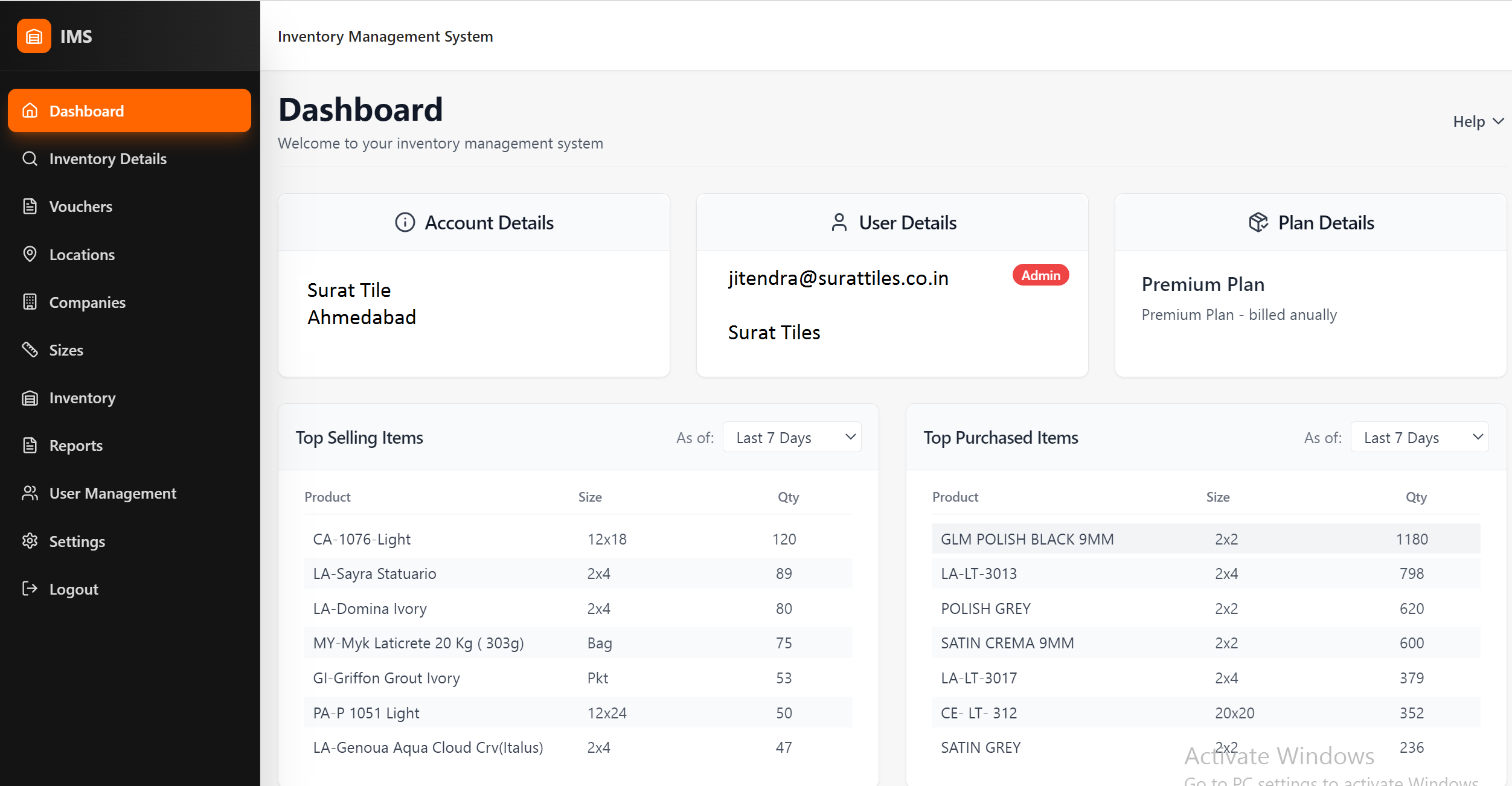
Track stock regularly
Regular stock tracking is the foundation of effective inventory management. Businesses should maintain real-time records of stock movement, including purchases, sales, and returns. Without consistent tracking, it becomes difficult to identify discrepancies and maintain accurate inventory levels.
Accurate stock tracking ensures that businesses always know what products are available, reducing the chances of stockouts or overstocking. Studies show that proper inventory management improves efficiency, reduces costs, and ensures better product availability for customers.
Implementing barcode systems or digital tracking tools can significantly improve accuracy and reduce manual errors, making operations faster and more reliable.
---Automate inventory tracking
Manual inventory systems are time-consuming and prone to human error. Automating inventory tracking allows businesses to update stock levels in real time, reducing mistakes and improving overall efficiency.
Automation tools can generate alerts for low stock, track product movement, and integrate with sales systems. This ensures that inventory data is always up to date and helps businesses respond quickly to changes in demand.
Modern inventory systems also provide analytics and reporting features, allowing businesses to make data-driven decisions and improve operational performance.
---Monitor fast-moving items
Fast-moving products are critical to business success, as they generate the majority of revenue. Monitoring these items closely ensures they are always available for customers.
Businesses should identify high-demand products using sales data and ensure sufficient stock levels are maintained. Running out of popular items can lead to lost sales and reduced customer satisfaction.
Inventory management systems help track product performance and predict demand trends, allowing businesses to plan inventory more effectively and avoid disruptions.
---Reduce dead stock
Dead stock refers to items that do not sell and remain unused in inventory. These products occupy valuable storage space and tie up working capital.
Identifying slow-moving or obsolete items is essential for maintaining a healthy inventory. Businesses can use strategies such as discounts, bundles, or promotions to clear excess stock.
Effective inventory management helps prevent dead stock by aligning purchases with actual demand, reducing waste and improving cash flow.
---Use inventory software
Using inventory management software is one of the most effective ways to improve stock control. These systems provide real-time visibility, automate processes, and reduce manual work.
Inventory software helps businesses maintain optimal stock levels, avoid losses, and improve decision-making. It also integrates with other systems like sales and accounting, creating a seamless workflow across the organization.
Businesses that adopt modern inventory solutions benefit from better accuracy, improved efficiency, and higher profitability, as inventory directly impacts costs, cash flow, and customer satisfaction.
---Why stock management is important
Stock management plays a critical role in maintaining business efficiency and profitability. Proper inventory control ensures that businesses have the right products available at the right time while minimizing excess stock and unnecessary costs.
Poor stock management can lead to financial losses, customer dissatisfaction, and operational inefficiencies. On the other hand, effective inventory practices improve cash flow, reduce waste, and enhance customer trust.
By implementing the right tools and strategies, businesses can create a more efficient supply chain and support long-term growth.
Frequently Asked Questions
Use inventory software
👉 Try our stock management system.