
How to Track Inventory Efficiently: A Complete Guide
Efficient inventory tracking helps businesses maintain accurate stock levels, avoid losses, and improve operational efficiency.
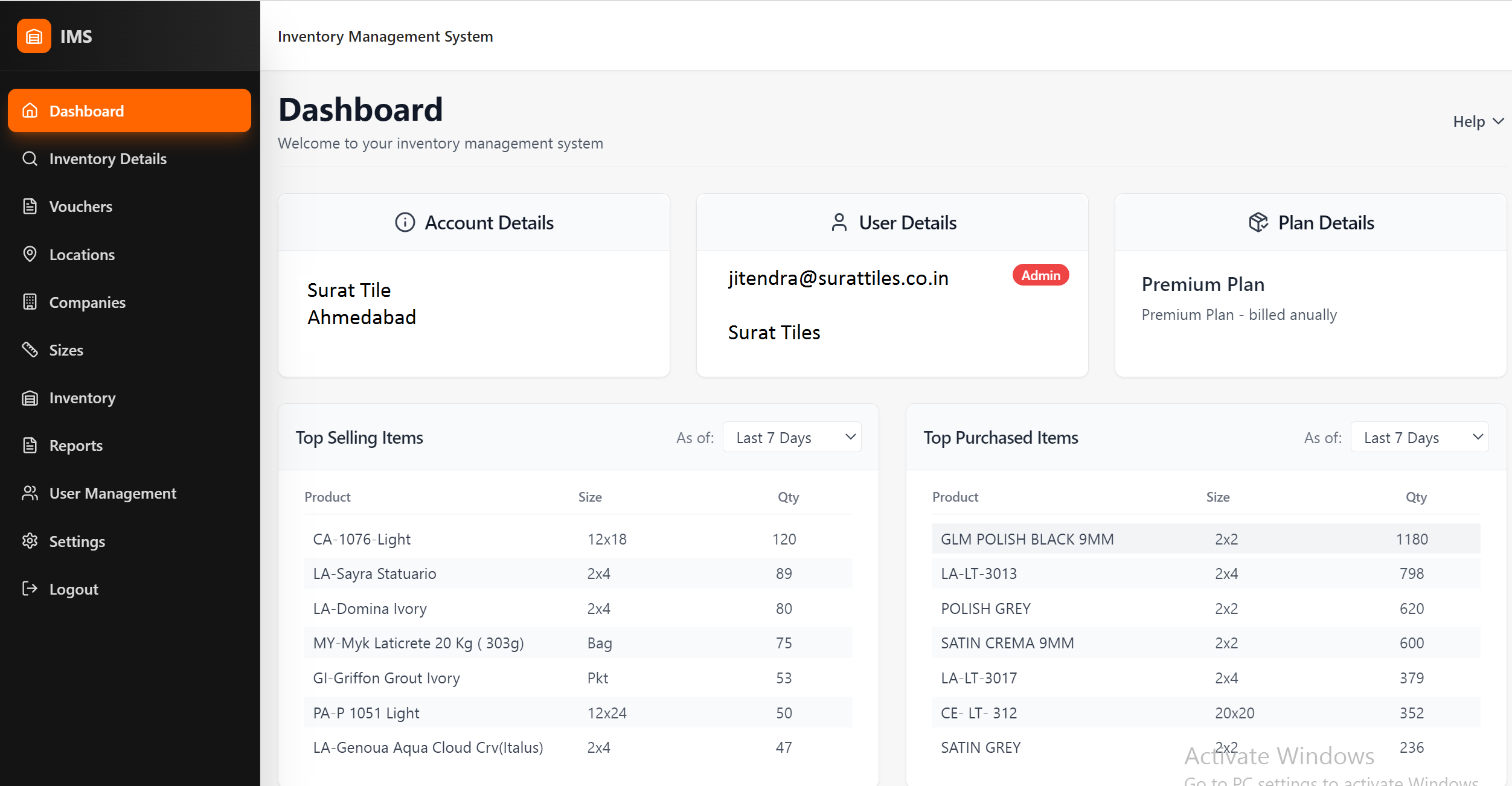
Real-time inventory tracking dashboard
Use digital inventory tools
Using digital inventory tools is the most effective way to track inventory efficiently. Manual tracking methods such as spreadsheets or paper records are prone to errors and difficult to maintain as your business grows.
Inventory management software automates stock updates in real time, ensuring that every purchase, sale, or return is recorded instantly. This eliminates guesswork and provides accurate visibility into stock levels across your business.
Digital tools also allow businesses to manage inventory across multiple locations, making them essential for growing companies that need scalability and efficiency.
---Maintain accurate records
Maintaining accurate inventory records is critical for effective stock management. Every movement of inventory—whether incoming or outgoing—should be recorded without delay.
Inaccurate records can lead to serious issues such as stock discrepancies, missed sales, and incorrect reporting. Businesses may unknowingly run out of stock or overstock items, both of which impact profitability.
By ensuring that all transactions are recorded consistently, businesses can maintain reliable inventory data and make better operational decisions.
---Perform regular audits
Regular inventory audits help verify that your recorded data matches your actual stock. Even with automated systems, periodic checks are necessary to identify discrepancies caused by theft, damage, or recording errors.
Businesses can conduct full inventory audits or cycle counts, where specific items are checked regularly. This approach minimizes disruptions while maintaining accuracy.
Consistent auditing improves inventory control and ensures that your system reflects the true state of your stock at all times.
---Track stock movement
Tracking stock movement provides complete visibility into how inventory flows through your business. This includes monitoring purchases, sales, returns, and transfers.
By understanding how products move, businesses can identify inefficiencies, detect unusual patterns, and improve inventory control. For example, sudden drops in stock may indicate errors or losses that need immediate attention.
Inventory tracking systems make it easy to monitor these movements in real time, helping businesses maintain control over their operations.
---Analyze inventory trends
Analyzing inventory trends helps businesses make smarter decisions about stock levels. By studying past sales data and demand patterns, businesses can predict future needs and avoid shortages or excess inventory.
Trend analysis also helps identify seasonal demand, fast-moving products, and items that are not performing well. This allows businesses to optimize their purchasing strategy and reduce waste.
With better insights, businesses can improve forecasting accuracy and maintain a more balanced and efficient inventory system.
---Why efficient inventory tracking matters
Efficient inventory tracking is essential for maintaining business profitability and operational efficiency. Poor tracking leads to stock inaccuracies, financial losses, and customer dissatisfaction.
When inventory is managed effectively, businesses can ensure product availability, reduce unnecessary costs, and improve overall performance. Accurate tracking also supports better financial reporting and strategic planning.
In today’s competitive environment, businesses that invest in proper inventory tracking systems gain a significant advantage by operating more efficiently and making data-driven decisions.
Frequently Asked Questions
👉 Use our inventory tracking system to automate your workflow.