Top Inventory Control Techniques to Improve Efficiency
Inventory control techniques help businesses maintain optimal stock levels and reduce operational costs.
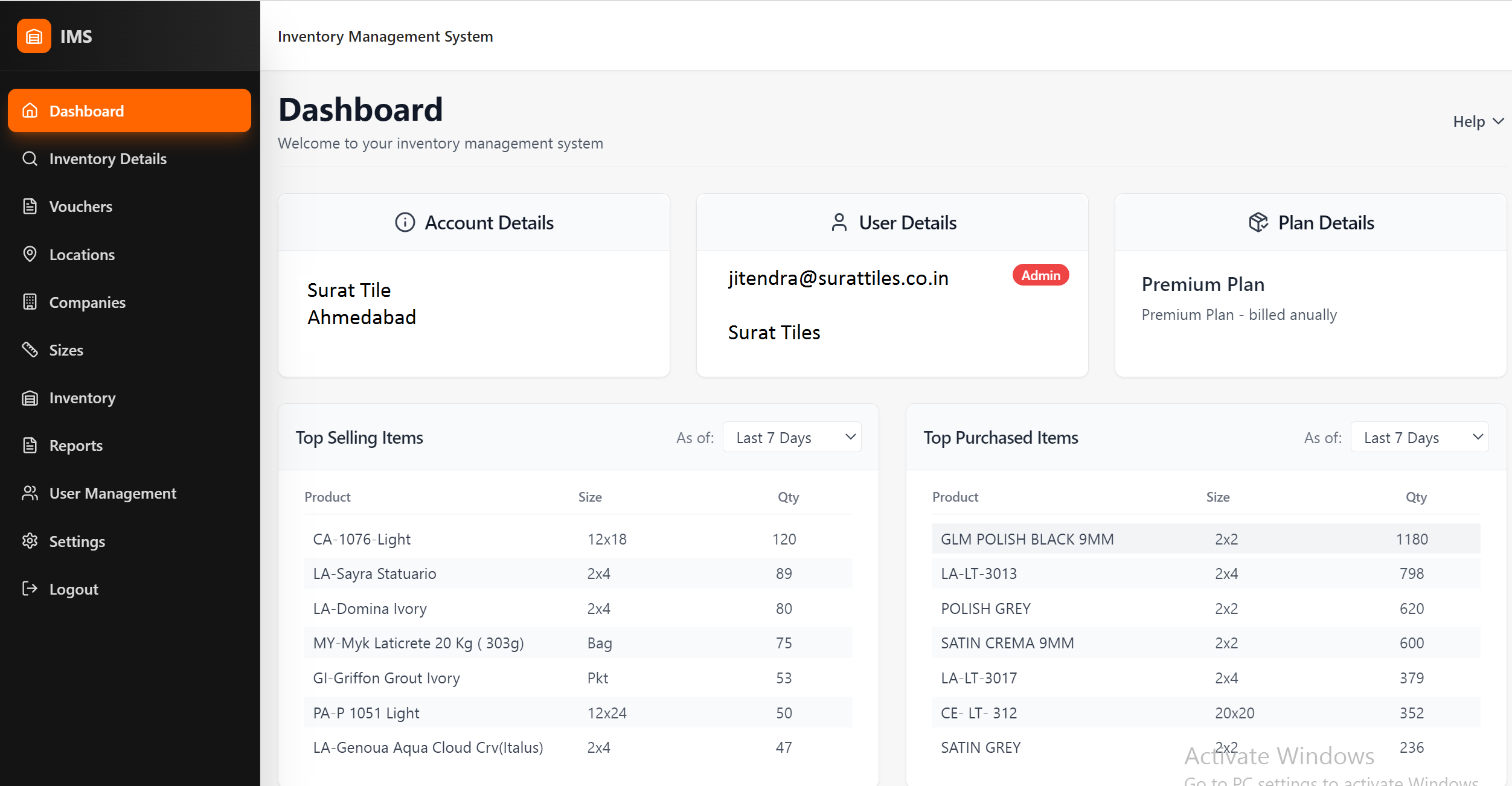
Advanced inventory control system
FIFO (First In First Out)
FIFO (First In, First Out) is one of the most widely used inventory control techniques. It ensures that the oldest stock is sold or used first, which is especially important for perishable goods or products with expiry dates.
By following FIFO, businesses can reduce waste, prevent product obsolescence, and maintain better stock rotation. This method also provides a more accurate reflection of inventory value in financial reporting.
FIFO is simple to implement and works well for most businesses, making it a preferred method for effective inventory control.
---ABC analysis
ABC analysis is a powerful inventory control technique that categorizes items based on their importance and value. It divides inventory into three categories: A (high value), B (moderate value), and C (low value).
This method is based on the Pareto principle, where a small percentage of items contributes to the majority of revenue. By focusing more on high-value items, businesses can optimize their inventory management efforts and improve efficiency.
ABC analysis helps businesses prioritize resources, reduce costs, and ensure better control over critical inventory.
---Safety stock management
Safety stock refers to extra inventory kept as a buffer to prevent stockouts. It ensures that businesses can continue operations even during unexpected demand spikes or supply chain delays.
Maintaining safety stock is essential for avoiding lost sales and maintaining customer satisfaction. However, it must be carefully calculated to avoid excessive holding costs.
Businesses can determine optimal safety stock levels using historical data, demand variability, and lead time analysis.
---Demand forecasting
Demand forecasting involves predicting future customer demand based on historical data and market trends. Accurate forecasting helps businesses maintain optimal stock levels and avoid both shortages and overstocking.
Poor forecasting can lead to excess inventory or missed sales opportunities, both of which negatively impact profitability. By analyzing past trends and seasonal patterns, businesses can make more informed inventory decisions.
Modern inventory systems use advanced analytics and automation to improve forecasting accuracy and reduce uncertainty.
---Use automation tools
Automation plays a crucial role in modern inventory control. Inventory management software helps track stock levels, monitor movement, and generate reports in real time.
Automated systems reduce manual errors, improve accuracy, and save time. They also provide valuable insights that help businesses make better decisions.
With automation, businesses can manage inventory more efficiently and scale operations without increasing complexity.
---Why inventory control techniques matter
Inventory control is essential for maintaining the right balance between supply and demand. It ensures that businesses have enough stock to meet customer needs without over-investing in inventory.
Effective inventory control techniques help reduce costs, improve cash flow, and increase operational efficiency. They also minimize risks such as stockouts, overstocking, and product obsolescence.
By implementing the right techniques, businesses can optimize their inventory processes and achieve long-term growth and profitability.
Frequently Asked Questions
👉 Improve your operations using our inventory management tools.