
Common Inventory Management Mistakes and How to Avoid Them
Many businesses lose money due to poor inventory practices. Avoiding common mistakes can improve efficiency and profitability.
Avoid stock errors with proper tracking
Not tracking inventory properly
One of the most common and costly mistakes businesses make is failing to track inventory accurately. When there is a mismatch between actual stock and recorded data, it leads to confusion, delays, and financial loss. Inaccurate tracking often results from manual entry errors, outdated systems, or lack of real-time updates.
Businesses that do not maintain accurate records may experience stockouts of high-demand products while simultaneously overstocking slow-moving items. This imbalance directly impacts customer satisfaction and revenue. Studies show that poor inventory visibility can lead to lost sales and increased operational costs.
To avoid this, companies should adopt real-time inventory tracking systems, perform regular stock audits, and ensure that all stock movements are recorded immediately. Even small improvements in tracking accuracy can significantly improve operational efficiency.
---Overstocking products
Overstocking occurs when businesses purchase more inventory than necessary, often due to poor planning or fear of running out of stock. While having extra inventory may seem safe, it ties up working capital and increases storage costs.
Excess inventory can also lead to product damage, obsolescence, or expiry—especially in industries dealing with perishable goods. In many cases, businesses are forced to sell excess stock at heavy discounts, reducing overall profitability.
Effective inventory management requires balancing supply with demand. Using demand forecasting techniques and monitoring inventory turnover can help maintain optimal stock levels and prevent unnecessary accumulation.
---Ignoring inventory data
Inventory data provides valuable insights into business performance, yet many businesses fail to use it effectively. Reports such as stock movement, turnover rate, and sales trends can help identify which products are performing well and which are not.
Ignoring these insights leads to poor decision-making, such as ordering the wrong products or missing opportunities to optimize stock levels. Inventory management is not just about storing goods—it is about using data to make smarter business decisions.
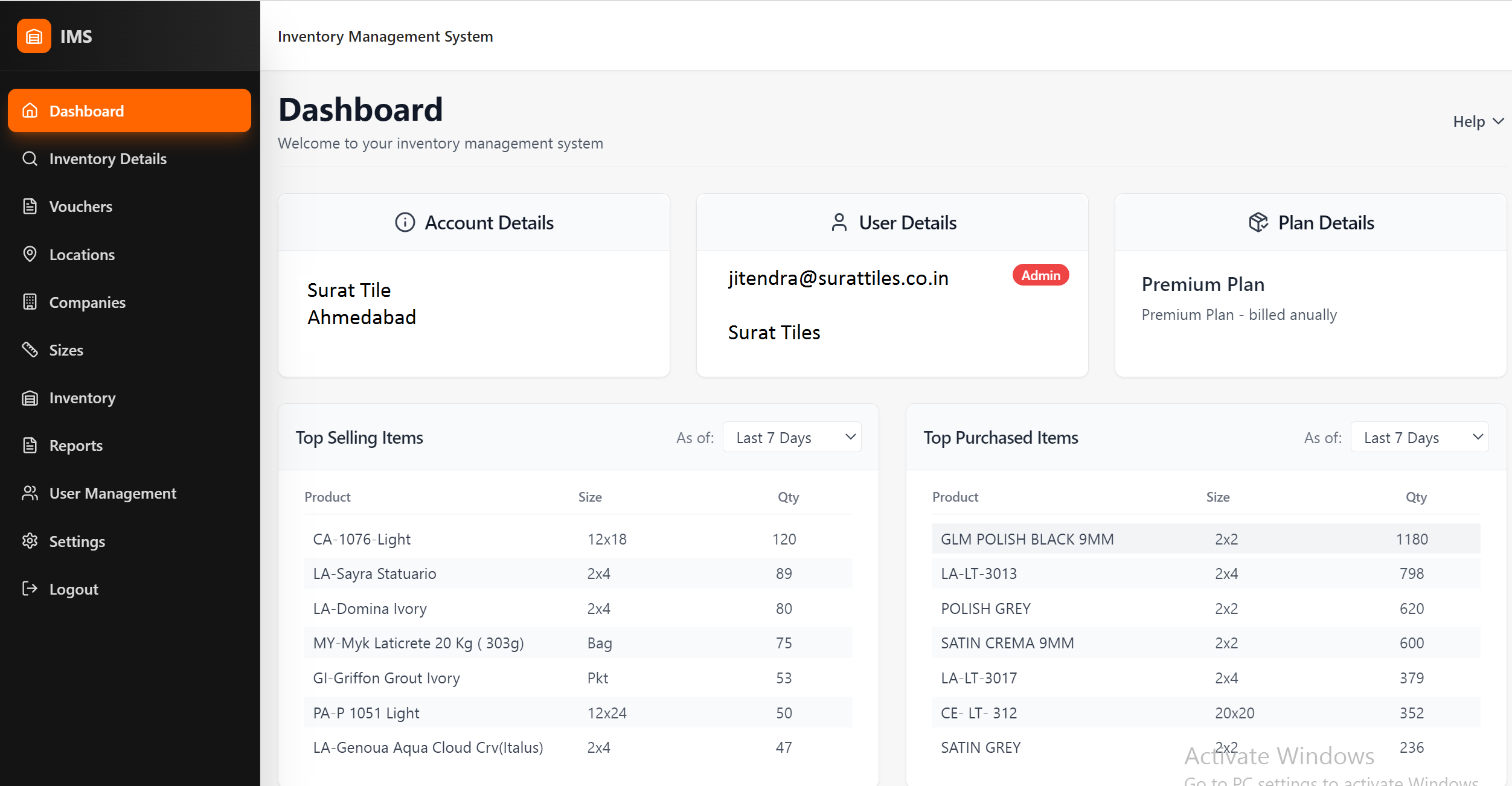
Businesses that actively analyze inventory data can improve forecasting accuracy, reduce waste, and increase profitability. Modern systems provide dashboards and analytics that make this process simple and accessible.
---Poor demand forecasting
Demand forecasting is the process of predicting future customer demand based on historical data and market trends. Without proper forecasting, businesses often rely on guesswork, which leads to either overstocking or stock shortages.
Poor forecasting disrupts the entire supply chain. If demand is underestimated, businesses lose sales due to stockouts. If overestimated, they end up holding excess inventory that may never sell. Both scenarios negatively impact cash flow.
Accurate forecasting requires analyzing past sales data, seasonal trends, and customer behavior. Many modern businesses are now using automated tools and AI-based systems to improve forecasting accuracy and reduce human error.
---Relying on manual systems
Manual inventory management methods such as spreadsheets or paper records are slow, error-prone, and difficult to scale. As businesses grow, these systems become increasingly unreliable and inefficient.
Manual processes increase the chances of errors like duplicate entries, missed updates, and incorrect stock counts. They also make it harder to track inventory across multiple locations or sales channels.
According to industry insights, manual stock tracking is one of the leading causes of overselling, cancellations, and operational inefficiencies in small businesses. Switching to an automated inventory management system can eliminate these issues and save significant time.
---Why avoiding these mistakes is critical
Inventory is often one of the largest investments for a business, and mistakes in managing it can have serious financial consequences. Poor inventory practices can lead to wasted capital, lost sales, and reduced customer trust.
Mismanagement of inventory affects everything from pricing decisions to financial reporting. Inaccurate stock data can distort profits and lead to poor business decisions, ultimately impacting long-term growth.
By identifying and correcting these common mistakes early, businesses can build a more efficient and scalable inventory system that supports growth and profitability.
---Final Thoughts
Avoiding common inventory mistakes is not just about fixing errors—it’s about building a smarter and more efficient business. With the right tools and processes, you can gain full control over your inventory and make better decisions that drive growth.
Whether you are a small business or a growing enterprise, investing in proper inventory management practices will help you reduce costs, improve customer satisfaction, and scale your operations with confidence.
Frequently Asked Questions
👉 Avoid these issues using our inventory management system.