Inventory Management Guide: Improve Stock Control and Reduce Costs
Inventory management is one of the most important parts of running a successful business. If done correctly, it helps you reduce costs, improve cash flow, and ensure products are always available for customers.
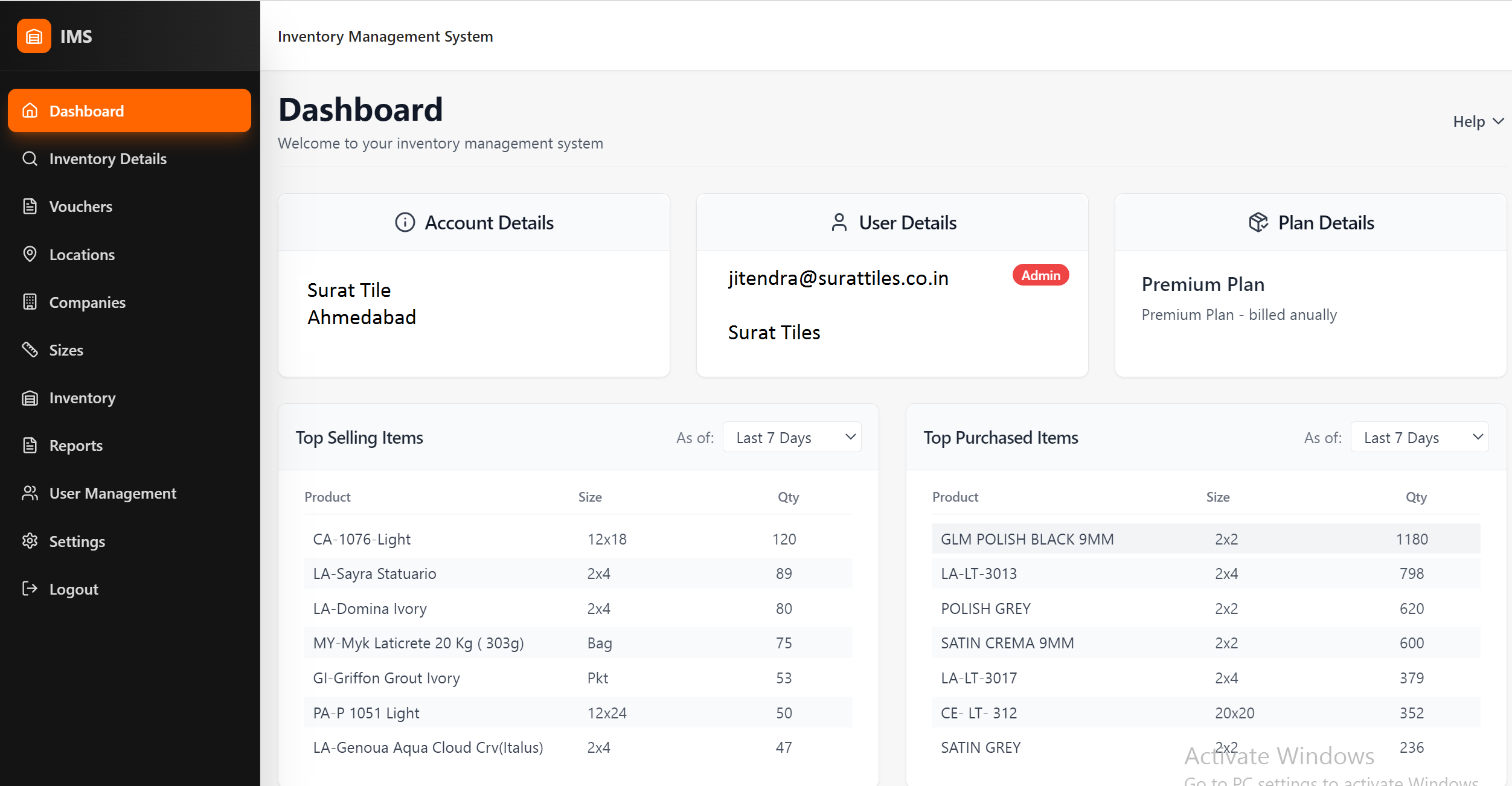
Real-time inventory dashboard with stock tracking and reports
In this guide, you’ll learn what inventory management is, why it matters, and how to manage stock efficiently using modern inventory management software.
What is Inventory Management?
Inventory management is the process of tracking, storing, and controlling stock — from raw materials to finished goods. The goal is to maintain the right quantity of products at the right time.
It helps businesses avoid two major problems:
- Overstocking (too much inventory, high cost)
- Stockouts (running out of products, lost sales)
Effective inventory management ensures optimal stock levels and better business efficiency.
---Why Inventory Management is Important
Inventory management directly impacts profitability, operations, and customer satisfaction.
- Reduce costs: Avoid excess storage and waste
- Improve cash flow: Money is not stuck in unsold stock
- Meet customer demand: Products are available when needed
- Better forecasting: Plan inventory based on demand trends
Poor inventory management can lead to stock imbalances and financial losses, while proper control improves efficiency and profits.
---1. Track Inventory in Real-Time
Real-time inventory tracking helps you know exactly what is in stock, what is selling, and what needs to be reordered.
Using an inventory management system or software can automate tracking and reduce human errors.
---2. Avoid Overstocking and Understocking
Maintaining the right balance is key. Overstocking increases storage costs, while understocking leads to lost sales.
The goal is to always keep optimal inventory levels based on demand.
---3. Set Reorder Levels
Reorder levels define when you should restock items. This prevents sudden shortages.
Example: If your stock falls below a certain number, you automatically reorder.
---4. Use FIFO (First In, First Out)
FIFO ensures older stock is sold first. This is especially important for perishable or time-sensitive products.
---5. Analyze Demand and Trends
Study your sales data to understand:
- Seasonal demand
- Fast-moving products
- Slow-moving inventory
This helps you make smarter purchasing decisions and avoid unnecessary stock.
---6. Use Inventory Management Software
Manual tracking is slow and error-prone. Modern businesses use inventory management software to:
- Track stock automatically
- Generate reports
- Manage multiple locations
- Improve accuracy
Final Thoughts
Inventory management is not just about tracking stock — it’s about optimizing your entire business.
With the right strategy and tools, you can:
- Reduce costs
- Improve efficiency
- Increase profits
Start by implementing these simple techniques and gradually move towards automation using inventory management software.
Frequently Asked Questions
👉 You can also explore our inventory management system to simplify your stock tracking and operations.